
Vitamin deficiency can ruin your healthy lifestyle
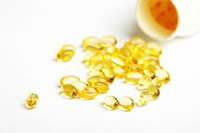 Everybody is different and our needs for Vitamins and Minerals depend on a lot of things such as sex, age, lifestyle, surrounding, our ability to absorb and metabolise nutrients and the amounts and types of food we eat and the way in which they are prepared. For example:
- Light destroys vitamins A, D, E and K, riboflavin and beta carotene
- Heat destroys vitamins C, A, B12, folic acid and thiamin
- Exposure to air destroys Vitamins C, A, D, E, K, B12 and folic acid
- Vitamins C, B6, thiamin, niacin, selenium, riboflavin, potassium and magnesium leach into cooking water
- Vitamins C, B12, folic acid, thiamin and riboflavin are destroyed when combined with acid or alkaline substances.
Therefore eat fruit and vegetables as fresh and organic as possible. Store refrigerated foods at less than 4 degrees. Cook food in a minimal amount of water for the shortest possible time. Use leftover liquid for sauces, stews or juices. Vitamin deficiency can destroy the best intentions to stay healthy.
All foods on this site are good sources of the vitamin or mineral under which it is mentioned. This is for one normal size portion eg. one cup, one slice, one piece, one tablespoon.
Vitamins
Vitamins have many functions and influence the health of nearly every organ in the body. Their combination with other substances such as minerals, proteins and enzymes brings about certain chemical reactions. Individual vitamins have specific functions which vary widely and can overlap. Vitamins are not substitutes for food. They cannot be assimilated without taking in food. The have no energy value of their own and are not components of body structures.
Vitamin A
Good for healthy eyes and vision, growth, bones, immune system, cell growth, reproduction and differentiation.
Needs fat to be absorbed! Caution: avoid with antibiotics or derivative acne drugs.
liver, carrots, mangoes, cheese, black pudding, gemfish, pumpkin, condensed milk, rockmelon, pawpaw, sweet potatoes, apricots, butter, whole milk (un-pasteurized and un-homogenized), egg yolks
Carotenes
Good for heart, eyes and immune system.
Is easily converted into Vitamin A!
carrots, mangoes, cheese, pumpkin, spinach, rockmelon, pawpaw, sweet potatoes, all red and orange vegies and fruit
Thiamin (Vitamin B1)
Good for releasing energy from food, growth, skin, blood, hair, muscles, brain, nervous system and alcohol metabolism.
Needed daily!
pork, bulgur, kidney, steak, muesli, fish, vegemite, oats, brazil nuts, pearl barley, cashews, pistachios, wholemeal pasta, wholemeal bread
Riboflavin (Vitamin B2)
Good for energy, growth, immune system, skin, hair, blood cells, iron, pyridoxine and niacin functions, hormone function, nervous system and brain.
Daily intake is necessary!
liver, vegemite, muesli, cereals, soy milk, yoghurt, whole-wheat breakfast, whole milk, almonds, beef, veal, pork, lamb, custard, salmon
Niacin (Vitamin B3)
Good for energy, skin, blood cells, digestive system, growth, hormone production, brain and nervous system.
Daily intake is necessary! (happens partly by the conversion of the amino acid, tryptophan, to niacin). Caution: avoid high doses with diabetes, gout, asthma, liver problems, high blood pressure and active peptic ulcer.
tuna, salmon, beef, veal, lamb, pork, flake fish, chicken, bran flakes, bulgur, muesli, mixed nuts
Pyridoxine (Vitamin B6)
Good for energy, cardiovascular, nervous and immune systems, protein metabolism, hormone production, skin, hair, red blood cells and manufacturing of genetic material of cells. Also helps the conversion of tryptophan to niacin.
Daily intake is necessary!
wheat germ, liver, wheat bran, bananas, chicken, avocado, ham, tuna, spinach, kidneys, soybeans, mackerel, raisins peas, salmon, brown rice, basmati rice
Folate
Good for synthesis of genetic material, protein metabolism, pregnancy, red blood cells, bones, hair as well as nervous, digestive and immune systems.
Some folic acid is stored in the liver! Caution, make sure you have enough Vit. B12.
liver, lentils, peas, spinach, navy beans, kidney beans, turnip greens, lima beans, oats, avocado, peas, asparagus, corn, orange, papaya, brussels sprouts, wheat bran almonds, walnuts, broccoli
Vitamin B12
Good for energy, amino acid and fatty acid metabolism, nerves, blood cells, skin hair, growth and production of genetic material.
Requires a compound called 'intrinsic factor' for absorption! Caution: make sure your potassium levels are up.
liver, trout, tuna, salmon, steak, tempeh, cottage cheese, clams, oysters, whole milk, fetta cheese, miso, eggs
Pantothenic acid
Good for energy, cholesterol, fatty acid metabolism, red blood cells, immune system, adrenal glands and nervous system.
Some pantothenic acid may be stored in the liver!
liver, avocado, chicken, mushrooms, kidney, trout, wheat germ, peanuts, wheat bran, lentils, salmon, oysters, potatoes, whole milk, lima beans, eggs, bulgur, cottage cheese
Biotin
Good for energy, protein metabolism, hair, immune system and manufacture of genetic material.
It is absorbed from food and from intestinal bacteria!
liver, peanuts, chocolate, eggs, peas, cauliflower, mushrooms, hazelnuts, lima beans, molasses, oysters, halibut, bacon, corn, chicken, whole milk, wheat, bananas
Vitamin C
Good for collagen, wound healing, nervous system, hormone production and immune system.
Daily intake is necessary! Caution if you have kidney problems.
mangosteen, guavas, orange, mango, grapefruit, blackcurrant, capsicum, apple, pawpaw, brussels sprouts, strawberries, kiwi, rockmelon, custard apples, cauliflower, kohlrabi, cabbage, lemon, mandarin, broccoli
Vitamin D
Good for absorption and use of calcium and phosphorus, nervous and immune system, some hormones, cell growth and maturation.
It requires fat in the intestine for absorption. It is also made in the skin.
cod liver oil, salmon, tuna, whole milk, oysters, mackerel, shiitake mushrooms, sardines, herring, shrimp, all bran, breakfast cereal
Vitamin E
Good for immune system, protecting fas, cell membranes DNA and enzymes.
Fats and bile are necessary for absorption! Caution if you have thyroid problems, hypertension or rheumatic heart problems, not to be taken with anticoagulant drugs.
wheat germ oil, wheat germ, sunflower seeds, hazelnuts, peanuts, soy beans, safflower oil, corn oil, canola oil, avocado, spinach, tomato, olive oil, broccoli, grapes, blackberries, parsnip, peaches, eggs
Vitamin K
Good for blood clotting, bone metabolism, kidney function.
It requires the presence of fats and bile in the gut to be absorbed! It is also produced by gut bacteria.
broccoli, spinach, avocado, turnip greens, lettuce, cabbage, pistachio, watercress, soybean oil, snap beans, plums, kiwi, peas, miso, carrots potatoes tomatoes, celery, olive oil
Major Minerals
Minerals are naturally occurring inorganic elements which play a part in many biochemical and physiological processes. As your body cannot make any minerals, they are obtained from food and water.
Calcium
Good for bones, teeth, muscle contraction, heart, nervous system, blood pressure regulation and clotting.
Is necessary for absorption which decreases with age! Caution if you have kidney problems or constipation!
whole milk, soy milk, sardines, salmon, yoghurt, figs, custard, prawns, crab meat, cheese, almonds, chocolate, tahini, honeydew melon, golden syrup, brazil nuts, cannellini beans, wholemeal pasta, baked beans, muesli
Phosphorus
Good for energy, kidneys, bones, acid base balance, metabolism of proteins, carbohydrates, fats and genetic material.
It is efficiently absorbed! Caution if you have kidney, liver or heart problems!
bran cereal, rice bran, salmon, mackerel, oats, liver, sunflower seeds, oat bran, clam, buckwheat, all bran, tuna, peanuts, wheat germ, goats cheese, bulgur, walnuts, cheese, sardines
Potassium
Good for water balance, muscle contraction, acid alkaline balance, nerve impulse transmission, energy metabolism, protein and carbohydrate metabolism, heart and blood vessels.
It is well absorbed! Caution if you have kidney disease or ulcers!
beet greens, beans, raisins, snapper, mackerel, prunes, pistachios, avocado, potatoes, peanuts, ham, orange, melon, halibut, lima beans, apricots, bananas, whole milk, peas spinach, barley
Magnesium
Good for energy, heart, bones, muscles, blood vessels, protein and carbohydrate metabolism, transport of substances across cell membranes, genetic material.
Caution: do not with impaired kidney function or serious heart disease.
almonds, buckwheat, cashews, wheat bran, spinach, soybeans, whet germ, peanuts, beans, beet greens, halibut, peas, brown rice, kidney beans, chickpeas, artichokes, apricots, oatmeal, corn, raisins, avocado, pearl barley
Sodium
Good for water balance, muscle contraction, acid alkaline balance, nerve impulse transmission, energy production, stomach acid production.
It is easily absorbed!
soy sauce, bacon, anchovies, vegetable stock, fish, cheese, olives, tuna, fish roe, beans, cornflakes, chips
Sulfur
Good for bones, teeth, skin, hair, nails, form bile acids, help cells utilise oxygen, blood clotting, function of several enzymes and hormones.
It is essential as a component of amino acids! Organic sulfur is safe!
cheese, seafood, egg, whole milk, nuts, meat
Chloride
Good for water balance, muscle contraction, acid alkaline balance, nerve impulse transmission, making stomach acid (HCL).
Excess chloride is excreted in urine, sweat an gastrointestinal tract! Caution with high blood pressure!
salt, yeast extract, processed meats, cheese, kelp olives, bread, seafood
Trace Minerals
Our body requires less than 100 milligrams a day from these minerals, hence the name minor or trace minerals.
Boron
Good for bones, joints.
Excess is excreted in urine! Not to mistaken for boric acid or borax!
avocado, kidney beans, borlotti beans, prunes, chickpeas, peaches, hazelnuts, raisins, apricots, red grapes, pear, plum, almond, dates, peanuts, brazil nuts, orange, apple, kiwi, currants, sultanas, egg, banana
Chromium
Good for sugar and fat metabolism.
Absorption is poor! Caution: may decrease insulin requirements in diabetics!
whole milk, brown sugar, all bran, ham, cheese, wheat bran, cod, peas, soybean, pork, beef, mackerel, oysters, whet germ, spinach, lentils, lamb, yeast extract, butter beans, corn, chicken, potatoes
Copper
Good for metabolism, bones, joints, skin, blood vessels, nervous system, red blood cells, immune system.
It is absorbed in the stomach and small intestine.
liver, peanuts, walnuts, sesame seeds, almonds, sardines, oysters, crab, soybeans, sunflower seeds, chickpeas, avocado, lentils, tofu, wheat germ, kidney beans, beet greens, coconut, mushrooms, spinach
Iodine
Good for metabolism, growth, thyroid hormones.
Excess is excreted in the urine. Caution: in pregnancy, acne, heat cramps, adrenal or cardiac disease when taking potassium iodide supplement!
mackerel, mussels, cod, kipper, whiting, yoghurt, milk, cockles, pilchard, scampi, herring, beer, prawns, eggs, sardines, trout, kidney, liver, tuna, bacon, cheese
Iron
Good for oxygen transport, fatty acid metabolism, energy, immune system.
Vitamin C improves iron absorption! Caution with ulcers, arthritis, hepatitis!
bran flakes, liver, beef, muesli, wholemeal pasta, bulgur, cashews, beans, lamb, pearl barley, oats, chickpeas, chocolate, pork, almonds, pistachios, oysters, salmon, tuna
Manganese
Good for energy, enzymes, protein metabolism, bones, nervous system.
Only 3-5% of dietary manganese is absorbed.
wheat bran, brown rice, chickpeas, spinach, almonds, buckwheat, lentils, lima beans, kidney beans, green peas, rice, whole-wheat bread, carrots, kale, tea, raisins, prunes, snap beans, liver, corn
Molybdenum
Good for protein metabolism, iron utilisation, carbohydrate metabolism, alcohol and sulfite detoxification.
It competes with copper at absorption sites!
lima beans, white beans, yellow split peas, oats, green peas, chilli beans, bran, string beans, spaghetti, rice, bread, cheese
Selenium
Good for enzyme, cells, immune and cardiovascular system, hormone production.
Organic Selenium is absorbed more efficiently than inorganic forms!
brazil nuts, kidney, liver, tuna, flounder, salmon, macaroni, oysters, turkey, mackerel, pork, wheat, perch, oats, wheat bran, wheat germ, bran
Vanadium
Good for blood sugar regulation, fat and cholesterol metabolism, bones, tooth, fertility, hormone production, neurotransmitter metabolism.
It is not absorbed well from food.
whole grains, vegetable oils, nuts, root vegetables
Silicon
Good for bone, blood vessels, cartilage, tendons, skin, hair, cartilage and cell walls.
It is easily lost in food processing! Available as sodium metasilicate and silicic acid!
wheat, oats, rice, lettuce, cucumbers, avocados, strawberries
Zinc
Good for energy, genetic material, detoxification of chemicals including alcohol, immune and reproductive systems, hormone production, growth, brain, teeth, bones and skin.
Zinc and copper interact in many body functions! It helps the body to use Vitamin A.
oysters, beef, crabmeat, lamb, scallops, veal, pork, kidney, lobster, cashews, all bran, brown rice, bulgur, bran flakes, peanuts, salmon, tuna, whole milk, yoghurt
Fluoride
Good for teeth and bones.
Excess fluoride is excreted in the urine!
tea, oatmeal, cottage cheese, coffee, noodles, potatoes, spinach, rice, peas, toast, veal, pork, whole wheat bread, ham, raw greens, chocolate, fish
Make sure to get enough of these vital nutritions to avoid any vitamin deficiency.